Our Top Picks
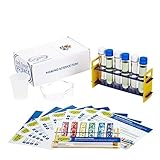
Perfect for kids who want to *do* real science right now. The Steve Spangler STEM Success Kit gives you six hands-on chemistry experiments that actually work, creating those magical moments when your

Ideal for the child who gazes up at the stars and asks endless questions. Building a rotating solar system model makes abstract space concepts real and tangible—plus it's beautiful enough to display p
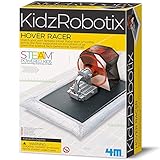
Great for kids who love physics and engineering challenges. The Hover Racer Kit combines problem-solving with hands-on building, teaching mechanical principles through the excitement of making somethi
Fascinating for curious minds who want to explore the invisible world. Growing and observing bacteria teaches the scientific method in a way that feels like detective work, perfect for independent lea
Remember that moment when your child came home buzzing with excitement about the science fair? That mix of nervousness, pride, and pure curiosity is exactly what we're chasing here. Science fair projects aren't just about winning a ribbon—they're about giving your child permission to wonder, to tinker, to fail safely, and to discover that they're capable of understanding how the world actually works.
The projects and kits on this page are different because they don't just hand your child an answer. Instead, they invite real investigation. Whether your son is building a hovering racer to explore physics, your daughter is growing bacteria to understand microbiology, or your grandchild is constructing a rotating solar system model, these aren't busywork activities. They're doorways into genuine scientific thinking—the kind that builds confidence and sparks a love of learning that sticks with them.
As grandparents and parents, you know the difference between a toy that entertains for an afternoon and one that creates those meaningful moments of discovery. This is that kind of collection.
Age Recommendations
Ages 5-7: Start with our Bubble Magic kit! At this age, children learn best through colorful, sensory exploration. Bubbles teach physics concepts without feeling like "school," and success comes quickly and visibly.
Ages 8-10: This is prime science fair age. Kids can follow multi-step instructions, form real hypotheses, and present findings. The STEM Success Kit and Hover Racer are perfect—they're complex enough to feel challenging but manageable enough to build confidence. These kits give you the foundation for a genuine project.
Ages 11-14: Your child is ready for deeper exploration. The Growing Bacteria Kit and Solar System STEM Adventure appeal to analytical minds. They can design experiments, make predictions, and present sophisticated findings. This is when science fair projects become truly impressive.
Our Recommended Products

Eye-Catching Science Fair Titles Set
Flipside Products Sky Blue Science Fair Titles make your child's project pop with clarity and style! As parents and educators, we know how important it is for kids to present their hard work in the best light possible. This complete set, featuring 13 essential titles in bold, all-caps lettering, ensures that key components of any science project are highlighted effectively. By using these titles, children not only enhance their presentation skills but also learn vital concepts about organizing their findings—valuable skills that will serve them well in school and beyond!
Eye-Catching Science Fair Titles Set includes 13 essential titles that help kids present their projects with clarity and flair, boosting their confidence and organizing skills.

4M Hover Racer Science Kit
The 4M Hover Racer Science Kit is an exciting hands-on experience that encourages children aged 8 and up to dive into the world of mechanical engineering and physics. This engaging DIY airboat project promotes critical thinking and problem-solving skills as kids learn the science behind hovercrafts and witness the thrill of their creation gliding effortlessly across surfaces. Perfect for inspiring curiosity and offering a glimpse into the wonders of STEM, this kit not only fuels imagination but also sets the stage for future science fair projects and explorations. The high-quality materials ensure durability, making it a fantastic gift for any budding scientist.
4M Hover Racer Science Kit is a hands-on DIY airboat project that turns learning about hovercrafts into an exciting, glide-filled adventure, sparking curiosity and future STEM explorations.

Steve Spangler Science STEM Success Kit
The Steve Spangler Science STEM Success Kit is a colorful adventure into the world of chemistry for young scientists! Packed with six hands-on experiments, including the thrilling creation of a lava lamp, this kit encourages curiosity, critical thinking, and problem-solving skills as children learn about chemical reactions and basic concepts like volume and measurement. Parents and educators alike will appreciate how it integrates fun with learning, leading to unforgettable science fair projects and creative exploration.
Steve Spangler Science STEM Success Kit includes six hands-on experiments that make chemistry feel like play, turning learning into thrilling, unforgettable adventures.
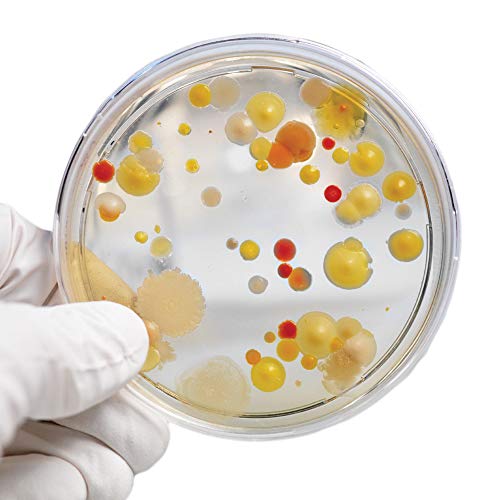
Explore Germs with Growing Bacteria Kit
Steve Spangler's Growing Bacteria Science Experiment Kit invites young scientists on an exciting journey into the microscopic world! Engaging with this kit means not only conducting hands-on experiments but also learning about the fascinating world of germs. With a step-by-step guide to the scientific method, kids develop critical thinking and analytical skills while having fun. It's perfect for science fair projects and a fantastic way for parents and educators to inspire curiosity and a love for science in children!
Explore Germs with Growing Bacteria Kit includes a step-by-step guide to the scientific method, making it a perfect blend of fun and real science that sparks curiosity and learning.

Explore Science with Bubble Magic!
Steve Spangler Science Extreme Bubble Science Kit offers a fantastic way for our little ones to delve into the wonders of science while having a blast! With 28 exciting components and an easy-to-follow guide featuring 11 fun bubble activities, our kids can safely explore physics concepts like surface tension and elasticity right at home or school. This hands-on approach not only ignites their curiosity but also fosters critical thinking and fine motor skills as they engage in delightful bubble play. Perfect for independent exploration or as a captivating science-fair project, this kit is a must-have for every budding scientist in our lives!
Explore Science with Bubble Magic! includes 28 exciting components for hands-on bubble activities that turn science into a delightful adventure, sparking curiosity and creativity in young minds.

Solar System STEM Adventure Kit
The Thames & Kosmos Orbiting Solar System STEM Kit invites young learners to delve into the wonders of our universe by building a dynamic, rotating model of the solar system! This engaging kit harnesses the power of a windup motor to set the planets into motion—no batteries required—making it an eco-friendly choice for inquisitive minds. Not only does it spark curiosity about our celestial neighbors, but it also fosters an understanding of fundamental gear mechanics, including the fascinating concept of planetary gears. Perfect for science fairs or as a captivating educational project, this kit empowers children with critical thinking skills and a deeper appreciation for astronomy.
Solar System STEM Adventure Kit invites kids to build a dynamic, rotating model of the solar system, igniting curiosity about our universe while learning about gears—epic for budding astronomers!
Educational Value
Science fair projects develop the thinking skills your child will use for life. When kids design an experiment, observe results, and troubleshoot what went wrong, they're practicing critical thinking in its purest form. They're learning that failure isn't the end—it's data. They're building problem-solving muscles and learning to ask better questions next time.
Beyond the thinking skills, these hands-on projects teach the scientific method through actual doing, not memorization. Your child learns measurement, observation, patience, and how to communicate their findings clearly. And here's the beautiful part: they do all this while staying genuinely engaged. A bubble science kit doesn't feel like school. A solar system model doesn't feel like homework. But the learning happening inside their brain? That's absolutely real and lasting.